Buy แ.com ?
We are moving the project
แ.com .
Are you interested in purchasing the domain
แ.com ?
domain@kv-gmbh.de · 0541-91531010
Buy แ.com ?
Who invented lignite?
Lignite is a type of coal that was not invented by a single individual. It is a naturally occurring fossil fuel that has been formed over millions of years from the remains of plants and trees. Lignite is one of the lowest grades of coal and is typically found in sedimentary rock formations. Its formation is a natural geological process rather than an invention by any specific person. **
How does lignite work?
Lignite is a type of coal that is formed from compressed peat. When lignite is burned, it releases energy in the form of heat. This heat can be used to generate electricity in power plants. Lignite is a relatively low-cost and abundant source of energy, making it a popular choice for power generation in some regions. However, lignite is also one of the most polluting forms of coal, releasing high levels of carbon dioxide and other pollutants when burned. **


Similar search terms for Lignite
Top-Angebote
Products related to Lignite:
-
RLF Home Tradition Provance Valance"Fits Windows up to 50""W. Use multiples for Wider Windows. Decorator's quality fabrics. Fully lined with Poly/Cotton Ivory lining. Use a 2-1/2"" Continental Rod, a regular 3/4"" Curtain rod, Tension rod or Decorative pole no more than 1-3/8"" Diameter."64,49 $*Shipping: 0,00 $Secure redirect to the provider
-
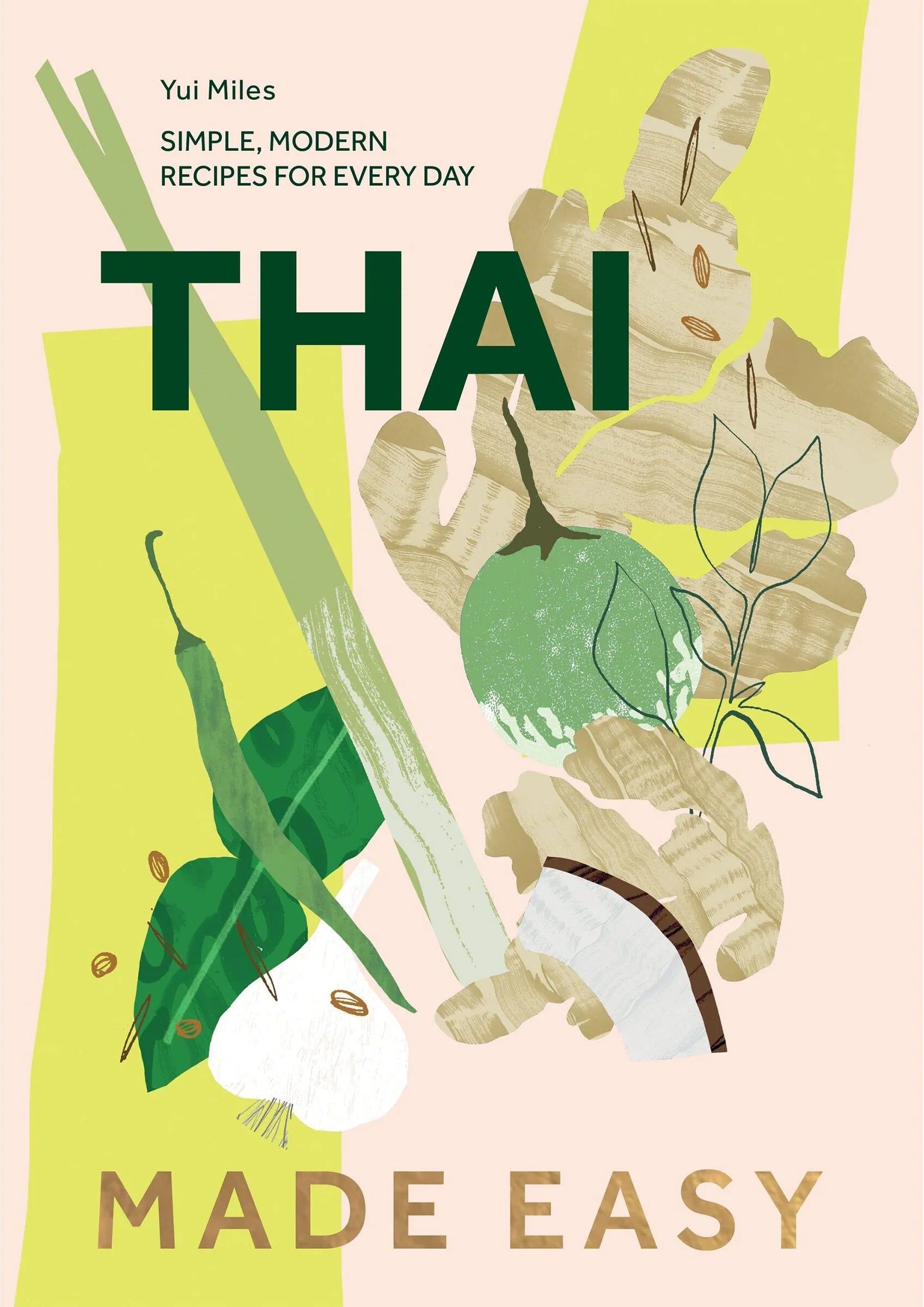
Quadrille Thai Made Easy: Over 70 Simple Recipes by Yui Miles - Hardback Thai Cookbook - MasterChef UK Quarter-Finalist - Easy Modern Thai Recipes for HomeDiscover the flavors of Thailand with this vibrant hardback cookbook from MasterChef UK quarter-finalist Yui Miles. Thai Made Easy brings over 70 approachable recipes into your everyday home kitchen, blending authentic Thai-Chinese family cooking traditions with practical, easy-to-source ingredients. The book strips away intimidation and shows you how to recreate beloved restaurant classics at home. From punchy curries to fragrant noodle dishes, it's a friendly, flavour-first guide built for real weeknight cooking. Inside, Yui Miles shares recipes designed to demystify Thai cuisine for home cooks of every skill level. The book opens with a short introduction to Thai food culture, plus a practical rundown of key pantry ingredients, useful swaps, and basic kitchen equipment, so you feel equipped before you start cooking. This beautifully presented hardback is a great resource for anyone looking to explore the world of Thai cooking.14,99 £*Shipping: 2,99 £Secure redirect to the provider
-
Mitchell Beazley Rosa’s Thai Café: The Vegetarian Cookbook by Saiphin Moore – Authentic Thai Vegetarian RecipesFinding strictly vegetarian food in Thailand can be tricky, where fish sauce is the king of the kitchen. In the follow-up to her debut, Rosa's Thai Café: The Cookbook, Saiphin Moore embraces this challenge, creating over 100 delicious and simple recipes for Thai-loving vegans and vegetarians. Featuring authentic dishes such as Tom yum noodle soup, Congee with shiitake mushrooms, Stir-fried aubergine with roasted chilli paste and Butternut red curry, this brilliant sequel adds an exciting new strand to Rosa's repetoire.10,99 £*Shipping: 2,99 £Secure redirect to the provider



-
How is lignite used?
Lignite is primarily used as a fuel source for power generation in coal-fired power plants. It is burned to produce steam, which drives turbines to generate electricity. Lignite is also used in some industrial processes, such as in the production of synthetic fuels and chemicals. Additionally, it can be used as a soil conditioner in agriculture due to its high carbon content. **
-
What are lignite seams?
Lignite seams are layers of lignite, a type of coal that is low in carbon content and high in moisture. These seams are formed from the accumulation of organic material in swampy environments over millions of years. Lignite seams are typically found in sedimentary rock formations and are mined for use as a source of energy in power plants and for industrial processes. Due to its low energy content and high moisture content, lignite is considered to be the lowest quality coal. **
-
What is done with lignite?
Lignite is primarily used as a fuel for power generation in coal-fired power plants. It is burned to produce steam, which drives turbines to generate electricity. Lignite is also used in the production of synthetic natural gas and as a source of heat in various industrial processes. Additionally, lignite can be converted into liquid fuels such as diesel through a process called coal liquefaction. **
-
What is lignite used for?
Lignite is primarily used as a fuel source for power generation in coal-fired power plants. It is also used in the production of synthetic natural gas and as a source of heat in some industrial processes. Additionally, lignite can be processed into briquettes or pellets for use in residential heating and cooking. **

Why is lignite so harmful?
Lignite is harmful because it is a low-grade coal with high moisture and ash content, which makes it less efficient and more polluting when burned for energy. When lignite is combusted, it releases high levels of carbon dioxide, sulfur dioxide, nitrogen oxides, and other harmful pollutants into the atmosphere, contributing to air pollution and climate change. Additionally, lignite mining can have detrimental environmental impacts, such as habitat destruction, water pollution, and land degradation. Overall, lignite is considered one of the most environmentally damaging fossil fuels. **
Where does lignite come from?
Lignite is a type of coal that is formed from compressed peat over millions of years. It is considered the lowest rank of coal due to its relatively low carbon content and energy density. Lignite deposits are typically found in sedimentary basins and are mined for use in power generation and as a fuel source. **
Top-Angebote
Products related to Lignite:
-
Quadrille Publishing Ltd Curry Guy Thai by Dan Toombs – 100 Classic Thai Takeaway RecipesThe Curry Guy aka Dan Toombs is back, and this time he is taking on Thai takeaway and restaurant favourites. Dan has spent over two decades working with chefs and eateries to research and create recipes that taste just like the takeaway. Thai cuisine is known for its light dishes that are packed with diverse flavours and textures, and which make the most of a fine balance of sour, sweet and salt. In The Curry Guy Thai, Dan offers up his own versions of those much-loved dishes, including beef massaman curry, red duck curry, pad Thai, fishcakes and summer rolls. With over over 100 recipes, beautiful colour photography throughout, plus store cupboard tips and advice, you'll learn how to create your own classic dishes at home.9,99 £*Shipping: 2,99 £Secure redirect to the provider
-
RLF Home Tradition Provance Valance"Fits Windows up to 50""W. Use multiples for Wider Windows. Decorator's quality fabrics. Fully lined with Poly/Cotton Ivory lining. Use a 2-1/2"" Continental Rod, a regular 3/4"" Curtain rod, Tension rod or Decorative pole no more than 1-3/8"" Diameter."64,49 $*Shipping: 0,00 $Secure redirect to the provider
-
Who invented lignite?
Lignite is a type of coal that was not invented by a single individual. It is a naturally occurring fossil fuel that has been formed over millions of years from the remains of plants and trees. Lignite is one of the lowest grades of coal and is typically found in sedimentary rock formations. Its formation is a natural geological process rather than an invention by any specific person. **
-
How does lignite work?
Lignite is a type of coal that is formed from compressed peat. When lignite is burned, it releases energy in the form of heat. This heat can be used to generate electricity in power plants. Lignite is a relatively low-cost and abundant source of energy, making it a popular choice for power generation in some regions. However, lignite is also one of the most polluting forms of coal, releasing high levels of carbon dioxide and other pollutants when burned. **
-
How is lignite used?
Lignite is primarily used as a fuel source for power generation in coal-fired power plants. It is burned to produce steam, which drives turbines to generate electricity. Lignite is also used in some industrial processes, such as in the production of synthetic fuels and chemicals. Additionally, it can be used as a soil conditioner in agriculture due to its high carbon content. **
-
What are lignite seams?
Lignite seams are layers of lignite, a type of coal that is low in carbon content and high in moisture. These seams are formed from the accumulation of organic material in swampy environments over millions of years. Lignite seams are typically found in sedimentary rock formations and are mined for use as a source of energy in power plants and for industrial processes. Due to its low energy content and high moisture content, lignite is considered to be the lowest quality coal. **
Similar search terms for Lignite
-
Quadrille Thai Made Easy: Over 70 Simple Recipes by Yui Miles - Hardback Thai Cookbook - MasterChef UK Quarter-Finalist - Easy Modern Thai Recipes for HomeDiscover the flavors of Thailand with this vibrant hardback cookbook from MasterChef UK quarter-finalist Yui Miles. Thai Made Easy brings over 70 approachable recipes into your everyday home kitchen, blending authentic Thai-Chinese family cooking traditions with practical, easy-to-source ingredients. The book strips away intimidation and shows you how to recreate beloved restaurant classics at home. From punchy curries to fragrant noodle dishes, it's a friendly, flavour-first guide built for real weeknight cooking. Inside, Yui Miles shares recipes designed to demystify Thai cuisine for home cooks of every skill level. The book opens with a short introduction to Thai food culture, plus a practical rundown of key pantry ingredients, useful swaps, and basic kitchen equipment, so you feel equipped before you start cooking. This beautifully presented hardback is a great resource for anyone looking to explore the world of Thai cooking.14,99 £*Shipping: 2,99 £Secure redirect to the provider
-
Mitchell Beazley Rosa’s Thai Café: The Vegetarian Cookbook by Saiphin Moore – Authentic Thai Vegetarian RecipesFinding strictly vegetarian food in Thailand can be tricky, where fish sauce is the king of the kitchen. In the follow-up to her debut, Rosa's Thai Café: The Cookbook, Saiphin Moore embraces this challenge, creating over 100 delicious and simple recipes for Thai-loving vegans and vegetarians. Featuring authentic dishes such as Tom yum noodle soup, Congee with shiitake mushrooms, Stir-fried aubergine with roasted chilli paste and Butternut red curry, this brilliant sequel adds an exciting new strand to Rosa's repetoire.10,99 £*Shipping: 2,99 £Secure redirect to the provider
-
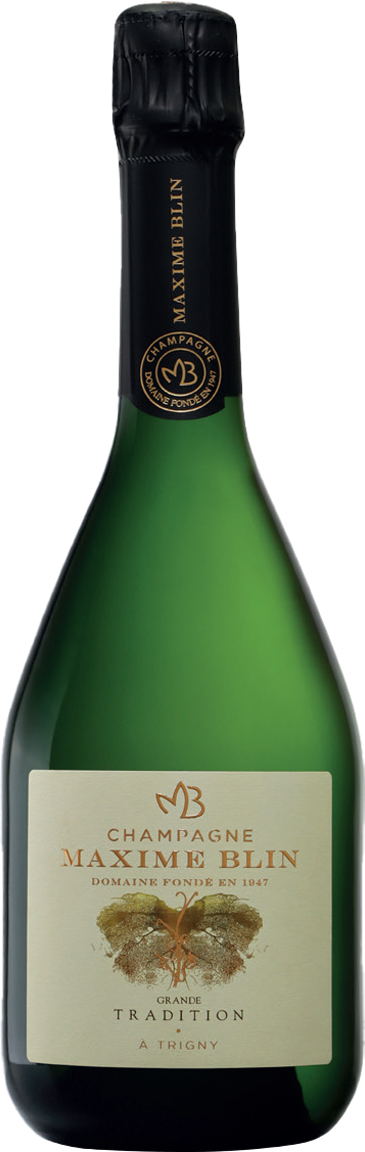
Champagne Brut 'Grande Tradition' Maxime BlinThe 'Grande Tradition' Brut Champagne from the French company Maxime Blin is a Champagne with a classic and refined style, reflecting the identity of the winery. This label is part of the 'Les Fondamentales' collection, a selection that brings together historical cuvées that fully embody the style of the Blin family, each focusing on a specific grape variety. In this particular case, the 'Grande Tradition' highlights the qualities of the Chardonnay cultivated in the Trigny area.The 'Grande Tradition' Maxime Blin Champagne comes from a blend of Chardonnay (90%) and Pinot Noir (10%) grapes grown under certified organic cultivation in the village of Trigny, within the Montagne de Reims area. Here, the vines enjoy excellent southern and south-eastern exposure and the sandy, clay-limestone soil matrix. Following the harvest, the grapes are subjected to a gentle pressing using a Coquard press, with the must thus obtained being transferred to stainless steel tanks for temperature-controlled alcoholic fermentation and subsequent complete malolactic fermentation. The vintage wine is then combined with 30% vins de réserve before bottle fermentation according to the Champenoise Method, combined with 36 months of maturation sur lattes. This is followed by dégorgement and final dosage as Extra Brut, with 4 g/l residual sugar.The 'Grande Tradition' Champagne Maxime Blin has a luminous straw yellow colour with a fine and persistent perlage. The aromatic bouquet expresses fragrant scents of citrus fruits and white flowers, surrounded by memories of bakery and mineral nuances. The taste is fresh, elegant and balanced, with a pleasant savoury trail that rests on a long citrus and mineral finish.57,00 £*Shipping: 48,00 £Secure redirect to the provider
-
Les Jardins LED path light Tradition Sensor Corten 90cm Tradition, dimmable, Brown / rust, Aluminium, Modern, outdoor solar lightsThe LED path light Tradition made of aluminum shows a modern cuboid shape and rust-brown corten steel finish. It can be operated autonomously thanks to equipment with solar module, rechargeable battery and motion sensor.- equipped with dimming function- operating time when fully charged: 5 h to 200 h (depending on light output)- protection class: IP66- alternatively rechargeable via USB connection- via ground spike (included) or permanently installable398,43 £*Shipping: 4,99 £Secure redirect to the provider
-
What is done with lignite?
Lignite is primarily used as a fuel for power generation in coal-fired power plants. It is burned to produce steam, which drives turbines to generate electricity. Lignite is also used in the production of synthetic natural gas and as a source of heat in various industrial processes. Additionally, lignite can be converted into liquid fuels such as diesel through a process called coal liquefaction. **
-
What is lignite used for?
Lignite is primarily used as a fuel source for power generation in coal-fired power plants. It is also used in the production of synthetic natural gas and as a source of heat in some industrial processes. Additionally, lignite can be processed into briquettes or pellets for use in residential heating and cooking. **
-
Why is lignite so harmful?
Lignite is harmful because it is a low-grade coal with high moisture and ash content, which makes it less efficient and more polluting when burned for energy. When lignite is combusted, it releases high levels of carbon dioxide, sulfur dioxide, nitrogen oxides, and other harmful pollutants into the atmosphere, contributing to air pollution and climate change. Additionally, lignite mining can have detrimental environmental impacts, such as habitat destruction, water pollution, and land degradation. Overall, lignite is considered one of the most environmentally damaging fossil fuels. **
-
Where does lignite come from?
Lignite is a type of coal that is formed from compressed peat over millions of years. It is considered the lowest rank of coal due to its relatively low carbon content and energy density. Lignite deposits are typically found in sedimentary basins and are mined for use in power generation and as a fuel source. **
* All prices are inclusive of VAT and, if applicable, plus shipping costs. The offer information is based on the details provided by the respective shop and is updated through automated processes. Real-time updates do not occur, so deviations can occur in individual cases. ** Note: Parts of this content were created by AI.