Buy แ.com ?
We are moving the project
แ.com .
Are you interested in purchasing the domain
แ.com ?
domain@kv-gmbh.de · 0541-91531010
Buy แ.com ?
How do yeast cells take in food?
Yeast cells take in food through a process called endocytosis. This involves the cell membrane surrounding and engulfing food particles, forming a vesicle. The vesicle then fuses with other cellular compartments, such as the lysosome, where the food is broken down and its nutrients are released for the cell to use. This process allows yeast cells to obtain the necessary nutrients for growth and metabolism. **
Why are liver cells animal cells?
Liver cells are animal cells because they are part of the tissue and organ system of animals. They are eukaryotic cells, meaning they have a true nucleus and membrane-bound organelles, which are characteristic of animal cells. Additionally, liver cells perform specific functions related to the metabolism and detoxification of substances within the body, which are essential for the survival and functioning of animals. Therefore, liver cells are classified as animal cells due to their structure, function, and role within the animal body. **

Similar search terms for Cells
Top-Angebote
Products related to Cells:
-
Smart Shopping Spot Divided Serving Tray With Lid Compartment Snack And Food Storage Container, Fruit Storage Box For Organized Snacking clear 8 CellsLooking for a way to keep your snacks fresh and neatly organized Our Divided Serving Tray with Lid is designed for ultimate convenience and style. Perfect for those who love having multiple snack options ready to go, this storage container features...44,97 $*Shipping: 0,00 $Secure redirect to the provider
-
RLF Home Tradition Provance Valance"Fits Windows up to 50""W. Use multiples for Wider Windows. Decorator's quality fabrics. Fully lined with Poly/Cotton Ivory lining. Use a 2-1/2"" Continental Rod, a regular 3/4"" Curtain rod, Tension rod or Decorative pole no more than 1-3/8"" Diameter."64,49 $*Shipping: 0,00 $Secure redirect to the provider
-
Quadrille Publishing Ltd Curry Guy Thai by Dan Toombs – 100 Classic Thai Takeaway RecipesThe Curry Guy aka Dan Toombs is back, and this time he is taking on Thai takeaway and restaurant favourites. Dan has spent over two decades working with chefs and eateries to research and create recipes that taste just like the takeaway. Thai cuisine is known for its light dishes that are packed with diverse flavours and textures, and which make the most of a fine balance of sour, sweet and salt. In The Curry Guy Thai, Dan offers up his own versions of those much-loved dishes, including beef massaman curry, red duck curry, pad Thai, fishcakes and summer rolls. With over over 100 recipes, beautiful colour photography throughout, plus store cupboard tips and advice, you'll learn how to create your own classic dishes at home.9,99 £*Shipping: 2,99 £Secure redirect to the provider




-
What are the differences between embryonic stem cells, omnipotent stem cells, adult stem cells, totipotent stem cells, and multipotent stem cells?
Embryonic stem cells are derived from embryos and have the potential to develop into any type of cell in the body. Omnipotent stem cells, also known as pluripotent stem cells, are similar to embryonic stem cells in that they can differentiate into any type of cell, but they are derived from adult tissues. Adult stem cells are found in various tissues and have the ability to differentiate into a limited range of cell types. Totipotent stem cells have the highest potential for differentiation and can develop into any type of cell, as well as into extraembryonic tissues such as the placenta. Multipotent stem cells can differentiate into a limited number of cell types, typically within a specific tissue or organ. **
-
What are egg cells and sperm cells?
Egg cells, also known as ova, are the female reproductive cells produced by the ovaries. They are larger than sperm cells and contain genetic material from the mother. Sperm cells, on the other hand, are the male reproductive cells produced by the testes. They are smaller and more numerous than egg cells, and contain genetic material from the father. When an egg cell is fertilized by a sperm cell, it forms a zygote, which eventually develops into a new organism. **
-
How do killer cells recognize infected body cells?
Killer cells, also known as cytotoxic T cells, recognize infected body cells through a process called antigen presentation. Infected cells display fragments of foreign proteins, known as antigens, on their surface using a protein called major histocompatibility complex (MHC) class I. Killer cells have receptors that can recognize these antigens when they are presented on the infected cell's surface. Once the killer cell identifies an infected cell, it releases toxic substances to destroy the infected cell and prevent the spread of the infection. **
-
How do you compare the components of plant cells, virus cells, and animal cells?
Plant cells, virus cells, and animal cells all have different components and structures. Plant cells have a cell wall, chloroplasts, and a large central vacuole, which are not present in animal cells. Virus cells are not considered living cells and are much simpler in structure, consisting of genetic material (DNA or RNA) surrounded by a protein coat. Animal cells have centrioles and lysosomes, which are not found in plant cells. Additionally, animal cells do not have a cell wall like plant cells do. Overall, each type of cell has unique components that contribute to their specific functions and characteristics. **


What are common cell components of muscle cells, gland cells, and absorbing intestinal cells?
Common cell components of muscle cells, gland cells, and absorbing intestinal cells include the cell membrane, cytoplasm, nucleus, and organelles such as mitochondria and endoplasmic reticulum. Muscle cells also contain specialized structures called myofibrils, which are responsible for muscle contraction. Gland cells contain secretory vesicles for releasing hormones or other substances. Intestinal cells have microvilli on their surface to increase the surface area for absorption, and they also contain specialized transport proteins for moving nutrients across the cell membrane. **
Do nerve cells without sheath cells conduct impulses more slowly than those with sheath cells?
Yes, nerve cells without sheath cells conduct impulses more slowly than those with sheath cells. The sheath cells, also known as myelin, help to insulate and speed up the transmission of electrical impulses along the nerve cells. Without the myelin sheath, the impulses have to travel along the entire length of the nerve cell, resulting in slower conduction. This is why conditions that damage the myelin sheath, such as multiple sclerosis, can lead to slower nerve conduction and impaired neurological function. **
Top-Angebote
Products related to Cells:
-
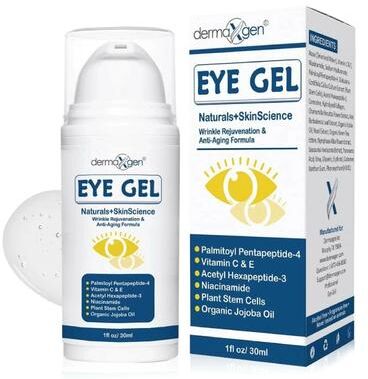
All Categories Goods Anti Aging Eye Gel With Matrixyl , Hyaluronic Acid & Plant Stem Cells Anti Aging Eye Gel With Matrixyl , Hyaluronic Acid & Plant Stem CellsLooking to reduce the appearance of dark circles, wrinkles, and puffiness around your eyes This antiaging eye gel is your goto solution. Powered by Matrixyl 3000, hyaluronic acid, and rejuvenating plant stem cells, this gel works wonders for...51,97 $*Shipping: 0,00 $Secure redirect to the provider
-
Multicon Wholesale Hub Anti Aging Under Eye Cream Gel For Dark Circles & Wrinkles, With Hyaluronic Acid & Plant Stem Cells Anti Aging Under Eye Cream Gel For Dark Circles & Wrinkles, With Hyaluronic Acid & Plant Stem CellsTired eyes and wrinkles can make you feel older than you are. This undereye cream gel is designed to revitalize the delicate skin around your eyes. Packed with hyaluronic acid and nourishing plant stem cells, it combats dark circles, puffiness, and...69,97 $*Shipping: 0,00 $Secure redirect to the provider
-
Smart Shopping Spot Divided Serving Tray With Lid Compartment Snack And Food Storage Container, Fruit Storage Box For Organized Snacking clear 8 CellsLooking for a way to keep your snacks fresh and neatly organized Our Divided Serving Tray with Lid is designed for ultimate convenience and style. Perfect for those who love having multiple snack options ready to go, this storage container features...44,97 $*Shipping: 0,00 $Secure redirect to the provider
-
How do yeast cells take in food?
Yeast cells take in food through a process called endocytosis. This involves the cell membrane surrounding and engulfing food particles, forming a vesicle. The vesicle then fuses with other cellular compartments, such as the lysosome, where the food is broken down and its nutrients are released for the cell to use. This process allows yeast cells to obtain the necessary nutrients for growth and metabolism. **
-
Why are liver cells animal cells?
Liver cells are animal cells because they are part of the tissue and organ system of animals. They are eukaryotic cells, meaning they have a true nucleus and membrane-bound organelles, which are characteristic of animal cells. Additionally, liver cells perform specific functions related to the metabolism and detoxification of substances within the body, which are essential for the survival and functioning of animals. Therefore, liver cells are classified as animal cells due to their structure, function, and role within the animal body. **
-
What are the differences between embryonic stem cells, omnipotent stem cells, adult stem cells, totipotent stem cells, and multipotent stem cells?
Embryonic stem cells are derived from embryos and have the potential to develop into any type of cell in the body. Omnipotent stem cells, also known as pluripotent stem cells, are similar to embryonic stem cells in that they can differentiate into any type of cell, but they are derived from adult tissues. Adult stem cells are found in various tissues and have the ability to differentiate into a limited range of cell types. Totipotent stem cells have the highest potential for differentiation and can develop into any type of cell, as well as into extraembryonic tissues such as the placenta. Multipotent stem cells can differentiate into a limited number of cell types, typically within a specific tissue or organ. **
-
What are egg cells and sperm cells?
Egg cells, also known as ova, are the female reproductive cells produced by the ovaries. They are larger than sperm cells and contain genetic material from the mother. Sperm cells, on the other hand, are the male reproductive cells produced by the testes. They are smaller and more numerous than egg cells, and contain genetic material from the father. When an egg cell is fertilized by a sperm cell, it forms a zygote, which eventually develops into a new organism. **
Similar search terms for Cells
-
RLF Home Tradition Provance Valance"Fits Windows up to 50""W. Use multiples for Wider Windows. Decorator's quality fabrics. Fully lined with Poly/Cotton Ivory lining. Use a 2-1/2"" Continental Rod, a regular 3/4"" Curtain rod, Tension rod or Decorative pole no more than 1-3/8"" Diameter."64,49 $*Shipping: 0,00 $Secure redirect to the provider
-
Quadrille Publishing Ltd Curry Guy Thai by Dan Toombs – 100 Classic Thai Takeaway RecipesThe Curry Guy aka Dan Toombs is back, and this time he is taking on Thai takeaway and restaurant favourites. Dan has spent over two decades working with chefs and eateries to research and create recipes that taste just like the takeaway. Thai cuisine is known for its light dishes that are packed with diverse flavours and textures, and which make the most of a fine balance of sour, sweet and salt. In The Curry Guy Thai, Dan offers up his own versions of those much-loved dishes, including beef massaman curry, red duck curry, pad Thai, fishcakes and summer rolls. With over over 100 recipes, beautiful colour photography throughout, plus store cupboard tips and advice, you'll learn how to create your own classic dishes at home.9,99 £*Shipping: 2,99 £Secure redirect to the provider
-
Les Jardins LED path light Tradition Sensor Corten 90cm Tradition, dimmable, Brown / rust, Aluminium, Modern, outdoor solar lightsThe LED path light Tradition made of aluminum shows a modern cuboid shape and rust-brown corten steel finish. It can be operated autonomously thanks to equipment with solar module, rechargeable battery and motion sensor.- equipped with dimming function- operating time when fully charged: 5 h to 200 h (depending on light output)- protection class: IP66- alternatively rechargeable via USB connection- via ground spike (included) or permanently installable398,43 £*Shipping: 4,99 £Secure redirect to the provider
-
Skip's Garage Thai Flag Cornhole Boards"Includes: (2) Cornhole Boards & (8) Bags. Boards are Regulation Sized 24"" Wide x 48"" Long. Bags Will Complement The Board Colors. Easily Message Us Bag Color Requests. Easily Add a Carry Cases, Lights, or Both!"247,99 $*Shipping: 0,00 $Secure redirect to the provider
-
How do killer cells recognize infected body cells?
Killer cells, also known as cytotoxic T cells, recognize infected body cells through a process called antigen presentation. Infected cells display fragments of foreign proteins, known as antigens, on their surface using a protein called major histocompatibility complex (MHC) class I. Killer cells have receptors that can recognize these antigens when they are presented on the infected cell's surface. Once the killer cell identifies an infected cell, it releases toxic substances to destroy the infected cell and prevent the spread of the infection. **
-
How do you compare the components of plant cells, virus cells, and animal cells?
Plant cells, virus cells, and animal cells all have different components and structures. Plant cells have a cell wall, chloroplasts, and a large central vacuole, which are not present in animal cells. Virus cells are not considered living cells and are much simpler in structure, consisting of genetic material (DNA or RNA) surrounded by a protein coat. Animal cells have centrioles and lysosomes, which are not found in plant cells. Additionally, animal cells do not have a cell wall like plant cells do. Overall, each type of cell has unique components that contribute to their specific functions and characteristics. **
-
What are common cell components of muscle cells, gland cells, and absorbing intestinal cells?
Common cell components of muscle cells, gland cells, and absorbing intestinal cells include the cell membrane, cytoplasm, nucleus, and organelles such as mitochondria and endoplasmic reticulum. Muscle cells also contain specialized structures called myofibrils, which are responsible for muscle contraction. Gland cells contain secretory vesicles for releasing hormones or other substances. Intestinal cells have microvilli on their surface to increase the surface area for absorption, and they also contain specialized transport proteins for moving nutrients across the cell membrane. **
-
Do nerve cells without sheath cells conduct impulses more slowly than those with sheath cells?
Yes, nerve cells without sheath cells conduct impulses more slowly than those with sheath cells. The sheath cells, also known as myelin, help to insulate and speed up the transmission of electrical impulses along the nerve cells. Without the myelin sheath, the impulses have to travel along the entire length of the nerve cell, resulting in slower conduction. This is why conditions that damage the myelin sheath, such as multiple sclerosis, can lead to slower nerve conduction and impaired neurological function. **
* All prices are inclusive of VAT and, if applicable, plus shipping costs. The offer information is based on the details provided by the respective shop and is updated through automated processes. Real-time updates do not occur, so deviations can occur in individual cases. ** Note: Parts of this content were created by AI.